.png)
Understanding Hair Thinning: What Your Hair May Be Trying to Tell You

Hair Loss Is More Common Than Most People Realize
Hair has always been personal.
For many people, it’s connected to confidence, identity, routine, and self-expression. It’s often one of the first things we notice about ourselves when we look in the mirror, and one of the first things others notice too.
So when hair begins to thin, shed excessively, lose density, or simply feel different, it can affect much more than appearance.
Over the past few years, we’ve noticed more and more clients coming into the salon concerned about changes in their hair health. Not always dramatic hair loss, but subtle shifts that slowly become impossible to ignore.
Hair that feels thinner around the temples. More shedding during washing or brushing. A ponytail that suddenly feels smaller. Hair that no longer grows the same way it once did. Changes in texture, fullness, shine, or scalp sensitivity.
And what’s important to understand is that in many cases, there isn’t one single reason behind it.
Hair health is deeply connected to what’s happening internally, and modern life has created the perfect environment for stress-related hair concerns to become increasingly common.
The reality is that stress today doesn’t always look dramatic.
Sometimes it’s emotional stress. Sometimes it’s hormonal changes. Sometimes it’s burnout, lack of sleep, illness, nutritional deficiencies, postpartum recovery, medications, inflammation, anxiety, or simply years of functioning in survival mode without enough recovery.
Even when we feel mentally “fine,” the body often responds physically in ways we don’t immediately recognize.
Hair follicles are incredibly sensitive to changes within the body. When the system experiences prolonged stress, it naturally shifts energy toward protecting essential functions first. Hair growth becomes less of a priority biologically, which can push more follicles into a resting phase and slow down the production of healthy strands over time.
What many people don’t realize is that hair changes often appear months after the original trigger. By the time someone notices excessive shedding or thinning, the stressful period may already be over, making it difficult to connect the dots.
Why Healthy Hair Starts at the Scalp
One thing the beauty industry is finally beginning to recognize is that healthier hair starts with the scalp itself.
For years, haircare focused almost entirely on the hair strand while ignoring the environment the hair grows from. But the scalp is living skin, and the health of that environment directly affects how hair follicles function.
The average scalp contains around 100,000 hair follicles. In a healthy scalp, most of those follicles are active and producing hair consistently. But with thinning hair and early-stage hair loss, more follicles can become dormant over time, while active follicles begin shrinking and producing finer, weaker strands.
This is why hair thinning often feels gradual at first. It’s not always sudden hair loss. Sometimes it’s a slow reduction in density, strength, and overall fullness.
Healthy hair growth depends on many different factors working together: scalp condition, circulation, inflammation, hormones, stress levels, genetics, nutrition, lifestyle, and overall wellness.
No single shampoo or viral trend can instantly override all of those systems.
That’s also why the internet can make hair concerns feel even more overwhelming. Social media constantly promotes miracle products and overnight transformations, but real hair health is usually much more complex than that.
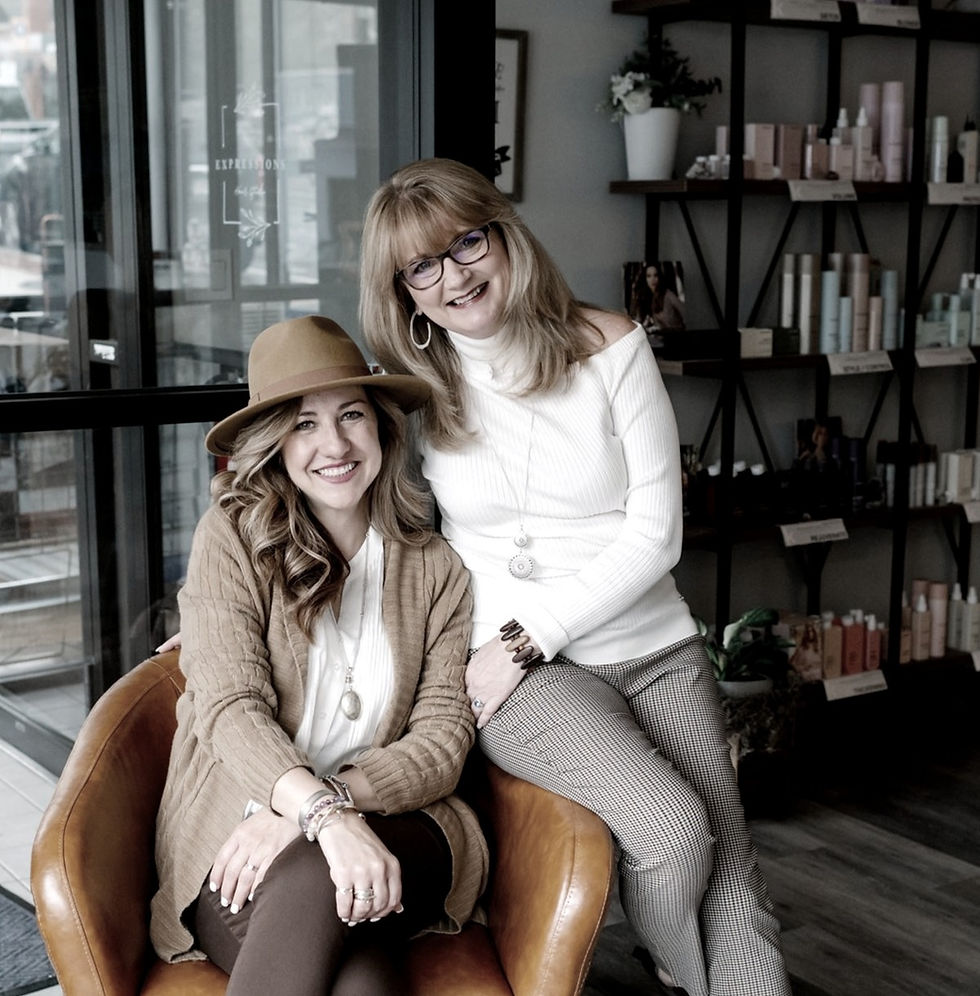
At Expressions Hair Studio, consultations have become one of the most important parts of our approach.
We believe the first step is slowing down and having an honest conversation.
We look at timelines, patterns, stress levels, scalp condition, lifestyle changes, home care, hormonal shifts, and hair history. Sometimes clients come in convinced their hair is permanently damaged, when in reality the issue may be connected to stress, inflammation, over-processing, or scalp health that has gradually become compromised over time.
And sometimes, simply understanding there may be a reason behind the changes brings relief.
The New Generation of Regenerative Hair Treatments
As scalp health becomes a bigger focus within professional haircare, newer regenerative technologies are beginning to change the conversation around thinning hair.
At the salon, one of the advanced systems we’ve introduced is the CALECIM® Advanced Hair System, a treatment designed to support scalp rejuvenation and healthier follicle activity through regenerative science.
CALECIM® is backed by more than 20 years of stem cell research and utilizes proteins and growth factors derived from Red Deer umbilical cord lining stem cells. These regenerative proteins help support the follicle environment and encourage healthier hair growth cycles over time.
What we appreciate most about this technology is that it approaches hair thinning from a more realistic perspective.
Not by promising overnight miracles.
But by supporting the scalp environment itself.
The treatment combines professional in-salon application techniques with microneedling to help stimulate the scalp and enhance absorption. Clients continue part of the protocol at home between appointments, allowing for consistency over time.
Many clients begin noticing reduced shedding, stronger strands, improved density, and healthier scalp conditions within the first several weeks, with continued improvement as treatments progress.
And while results vary from person to person, these newer approaches are exciting because they focus on helping follicles function more optimally instead of simply masking thinning hair cosmetically.
A More Honest Conversation About Hair Health
Still, honesty matters.
There is no instant solution for hair loss or thinning. No single product that works for everyone. No overnight transformation.
Real improvement often comes from consistency, supportive treatments, healthier routines, stress management, proper scalp care, and patience.
Because hair health is rarely just about hair.
Sometimes it’s also important to step back and look at the bigger picture as a whole.
How are you sleeping? Are you nourishing your body properly? Are you constantly under stress without enough recovery time?
Small lifestyle changes can make a meaningful difference over time. Supporting your body through balanced nutrition, hydration, movement, and stress management may help create a healthier environment for both overall wellness and hair health.
For some people, that may mean improving their diet. For others, it may mean making more space for activities that calm the mind and reduce stress, like meditation, yoga, exercise, walking, or simply slowing down more intentionally.

Hair thinning can feel emotional and deeply personal.
But you are not alone in it and you do not have to navigate it alone.


Comments